
- Shoulder Anatomy
- Shoulder Conditions
- Shoulder Procedures
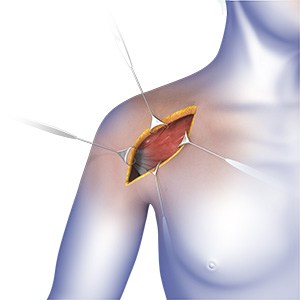
Shoulder Surgery
Shoulder surgery is a surgical procedure for the treatment of a shoulder injury or shoulder condition. The procedure involves repairing a diseased, damaged, or degenerated shoulder joint in order to eliminate pain and restore normal shoulder function.
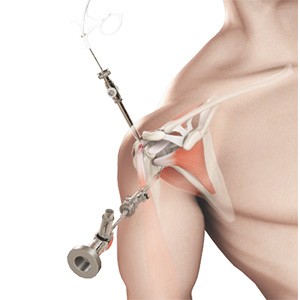
Shoulder Arthroscopy
Arthroscopy is a minimally invasive diagnostic and surgical procedure performed for joint problems. Shoulder arthroscopy is performed using a pencil-sized instrument called an arthroscope. The arthroscope consists of a light system and camera that projects images of the surgical site onto a computer screen for your surgeon to clearly view.
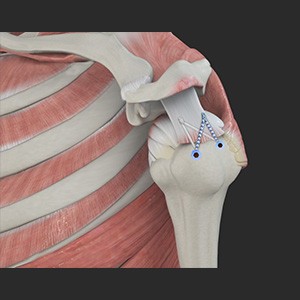
Rotator Cuff Repair
Rotator cuff repair is a surgery to repair an injured or torn rotator cuff. It is usually performed arthroscopically on an outpatient basis. An arthroscope, a small, fibre-optic instrument consisting of a lens, light source, and video camera. The camera projects images of the inside of the joint onto a large monitor, allowing your doctor to look for any damage, assess the type of injury and repair it. Large rotator cuff tears may require open surgery.
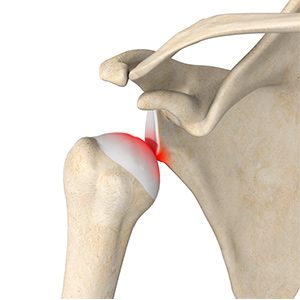
Shoulder Stabilisation
When conservative treatment options such as medications, rest and ice application fail to relieve shoulder instability, your surgeon may recommend shoulder stabilisation surgery.
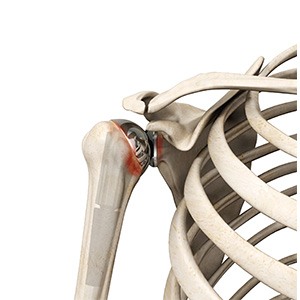
Revision Shoulder Replacement
Total shoulder replacement usually has good results, but a revision surgery may occasionally be necessary due to persistent pain, infection, stiffness, weakness, instability, hardware loosening, malposition or fracture.
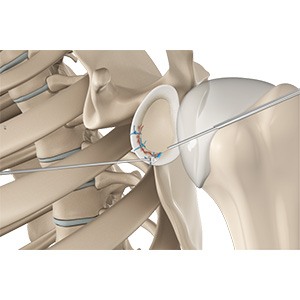
Arthroscopic Bankart Repair
The labrum can sometimes tear during a shoulder injury. A specific type of labral tear that occurs when the shoulder dislocates is called a Bankart tear. This is a tear to a part of the labrum called the inferior glenohumeral ligament and is common in the young who sustain a dislocation of the shoulder. A Bankart tear makes the shoulder prone to repeat dislocation in patients under 30 years of age.
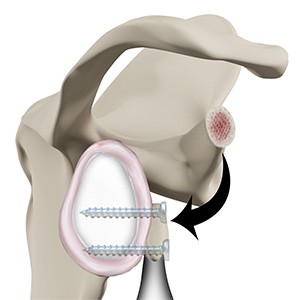
Latarjet Procedure
The shoulder joint provides a wide range of movement to the upper extremity, but overuse or trauma can cause instability to the joint. The Latarjet procedure is a surgical procedure performed to treat shoulder instability by relocating a piece of bone with an attached tendon to the shoulder joint.
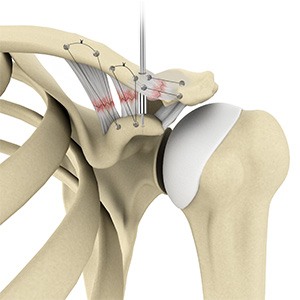
AC Joint Repair
AC joint repair is a surgical procedure performed to repair damaged or torn ligaments and tendons of the acromioclavicular (AC) joint. Depending on the severity of the injury, the surgery can be done through tiny keyhole incisions arthroscopically, or as open surgery through a relatively larger skin incision.
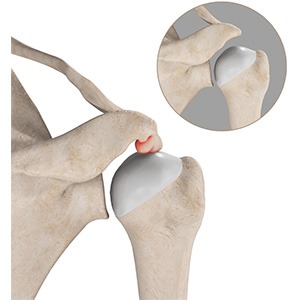
Subacromial Decompression
Subacromial decompression is a surgical procedure performed for the treatment of a condition called shoulder impingement. In shoulder impingement, the degree of space between the rotator cuff tendon and shoulder blade is decreased due to irritation and swelling of the bursa or due to development of bone spurs. Subacromial decompression opens this space by removing the bony spurs or any inflamed or swollen bursa enabling free shoulder movement.
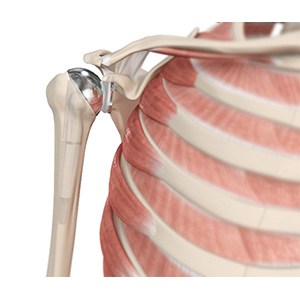
Shoulder Joint Replacement
Total shoulder replacement surgery is performed to relieve symptoms of severe shoulder pain and disability due to arthritis. In this surgery, the damaged articulating parts of the shoulder joint are removed and replaced with artificial prostheses. Replacement of both the humeral head and the socket is called a total shoulder replacement.
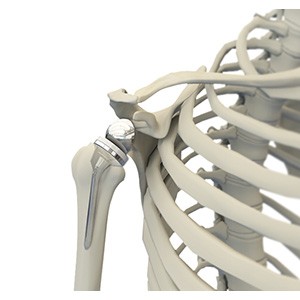
Reverse Shoulder Replacement
Conventional surgical methods such as total shoulder joint replacement are not very effective in the treatment of rotator cuff arthropathy. Reverse total shoulder replacement is an advanced surgical technique specifically designed for rotator cuff tear arthropathy, a condition where you suffer from both shoulder arthritis and a rotator cuff tear.
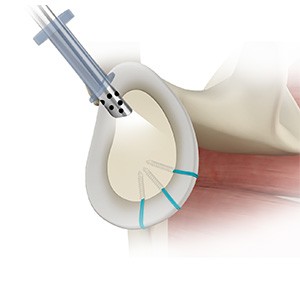
Shoulder Reconstruction Surgery
Shoulder reconstruction surgery is an operative procedure in which stretched or torn soft-tissue structures that surround the shoulder joint such as the capsule, ligaments, and cartilage, are repaired to secure the shoulder joint in place. The procedure is mainly employed for the treatment of individuals with shoulder instability, to prevent recurrent joint dislocations, and to restore normal shoulder range of motion and function.
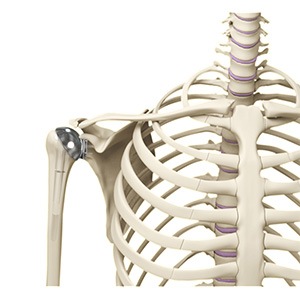
Minimally Invasive Shoulder Joint Replacement
Shoulder joint replacement is a surgical procedure that replaces damaged bone surfaces with artificial humeral and glenoid components to relieve pain and improve functional ability in the shoulder joint.
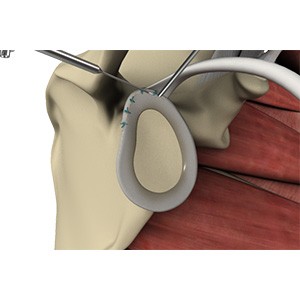
SLAP Repair
A SLAP repair is an arthroscopic shoulder procedure to treat a specific type of injury to the labrum called a SLAP tear.
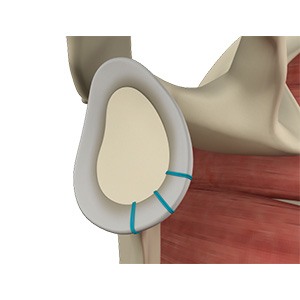
Shoulder Labrum Reconstruction
The shoulder joint is a ball and socket joint. A ball at the top of the upper arm bone (the humerus) fits neatly into a socket, called the glenoid, which is part of the shoulder blade (scapula). The labrum is a ring of fibrous cartilage surrounding the glenoid, which helps in stabilising the shoulder joint.
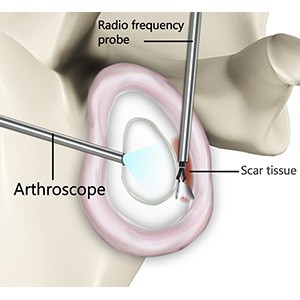
Capsular Release
A capsular release of the shoulder is surgery performed to release a tight and stiff shoulder capsule, a condition called frozen shoulder or adhesive capsulitis. The procedure is usually performed arthroscopically through keyhole-size incisions.

Shoulder Cartilage Restoration
Shoulder cartilage restoration refers to a group of procedures aimed at repairing or regenerating damaged cartilage in the shoulder joint, especially the glenohumeral (ball-and-socket) joint. Cartilage damage in the shoulder can result from injury, osteoarthritis, or degenerative wear, leading to pain, stiffness, and loss of function.
Shoulder Stiffness Surgery
Shoulder stiffness surgery is a procedure performed to restore movement in a shoulder that has become severely stiff and restricted. Shoulder stiffness is most often caused by adhesive capsulitis (frozen shoulder), where the joint capsule thickens and tightens due to inflammation and scar tissue formation.
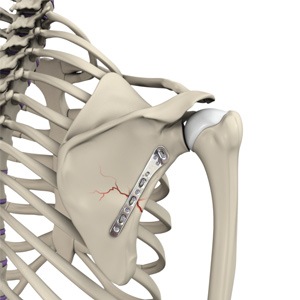
Shoulder Fracture Care
A break in the bone that makes up the shoulder joint is called a shoulder fracture. The clavicle (collarbone) and end of the humerus (upper arm bone) closest to the shoulder are the bones that usually are fractured. The scapula, or shoulder blade, is not easily fractured because of its protective cover of surrounding muscles and chest tissue.