
- Shoulder Anatomy
- Shoulder Conditions
- Shoulder Procedures
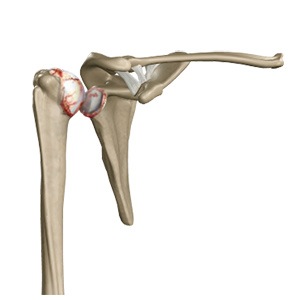
Arthritis of the Shoulder
The term arthritis literally means inflammation of a joint but is generally used to describe any condition in which there is damage to the cartilage. Damage of the cartilage in the shoulder joint causes shoulder arthritis. Inflammation is the body's natural response to injury. The warning signs that inflammation presents are redness, swelling, heat, and pain.
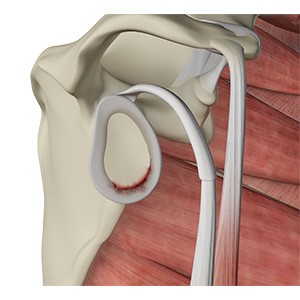
Shoulder Labral Tear
Traumatic injury to the shoulder or overuse of the shoulder (throwing, weightlifting) may cause the labrum to tear. In addition, ageing may weaken the labrum leading to injury.
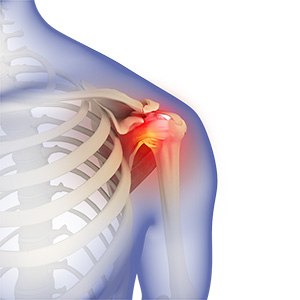
Frozen Shoulder
Frozen shoulder, also called adhesive capsulitis, is a condition in which you experience pain and stiffness in your shoulder. The symptoms appear slowly, worsen gradually and usually take one to three years to resolve on their own.
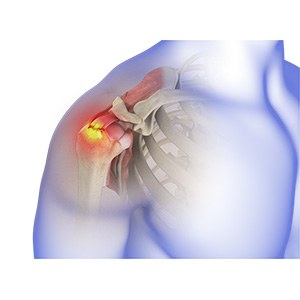
Rotator Cuff Tear
The rotator cuff is a group of tendons in the shoulder joint that provides support and enables a wide range of motion. A major injury to these tendons may result in rotator cuff tears. It is one of the most common causes of shoulder pain in middle-aged and older individuals.
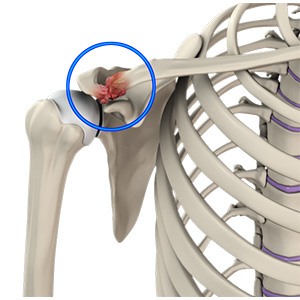
Acromioclavicular (AC) Joint Osteoarthritis
Osteoarthritis also called degenerative joint disease, is the most common form of arthritis. It occurs most often in older people. AC joint osteoarthritis affects the tissue covering the ends of bones (cartilage) in the AC joint of the shoulder. The cartilage becomes damaged and worn out causing pain, swelling, stiffness and restricted movement in the AC joint.
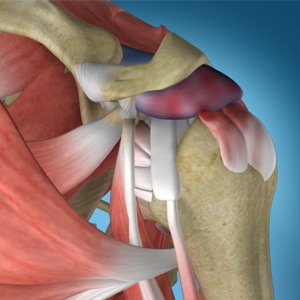
Shoulder Impingement
The shoulder is a ball-and-socket joint. The ball-shaped end of the upper arm bone (humerus) fits neatly into a socket, called the glenoid, which is part of the shoulder blade or scapula.
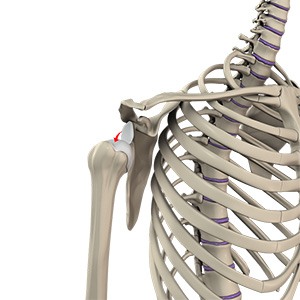
Shoulder Dislocation
Sports that involve overhead movements and repeated use of the shoulder at your workplace may lead to sliding of the upper arm bone from the glenoid. The dislocation might be a partial dislocation (subluxation) or a complete dislocation causing pain and shoulder joint instability. The shoulder joint often dislocates in the forward direction (anterior instability), and sometimes in the backward or downward direction.
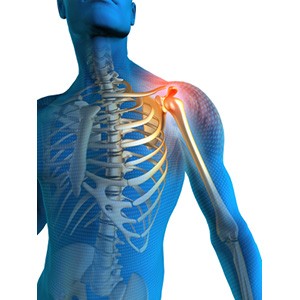
Shoulder Pain
Pain in the shoulder may suggest an injury, which is more common in athletes participating in sports such as swimming, tennis, pitching, and weightlifting. The injuries are caused due to the over usage or repetitive motion of the arms.
Snapping Scapula
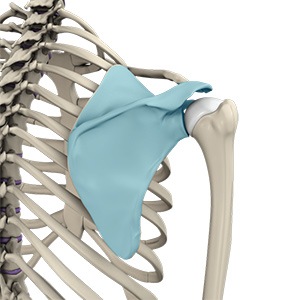
Snapping scapula or snapping scapula syndrome is also known as scapulothoracic syndrome or scapulocostal syndrome. It is a condition characterized by painful clicking, snapping, or grinding of the shoulder blade. The sound occurs as a result of rubbing of soft tissues between the thoracic wall and the scapula.
SLAP Tears
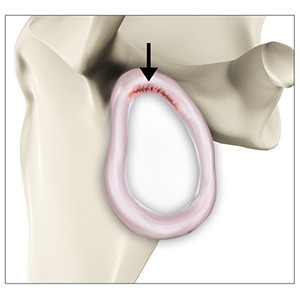
The term SLAP (superior –labrum anterior-posterior) lesion or SLAP tear refers to an injury of the superior labrum of the shoulder.
Little League Shoulder
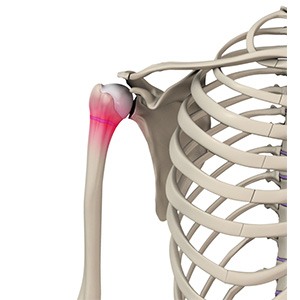
Little league shoulder is an injury to the growth plate of the upper arm bone at the shoulder joint of children. It is an overuse injury caused by repeated pitching or throwing, especially in children between the ages of 10 to 15 years. This condition is mostly seen in baseball pitchers, but children in other sports who use improper throwing action are also at risk.
Shoulder Ligament Injuries
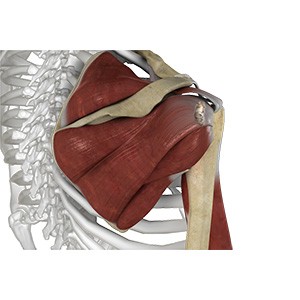
Shoulder ligament injuries are injuries to the tough elastic tissues present around the shoulder that connect bones to each other and stabilize the joint. The ligaments present in the shoulder are connected to the ends of the scapula, humerus, and clavicle bones which form the shoulder complex. The extensive stretching or tearing of these ligaments from acute or chronic injuries can lead to instability in the shoulder joint.
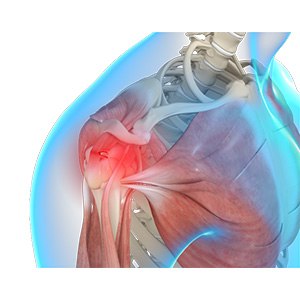
Shoulder Trauma
Shoulder injuries most commonly occur in athletes participating in sports such as swimming, tennis, pitching, and weightlifting. The injuries are caused due to the over usage or repetitive motion of the arms.
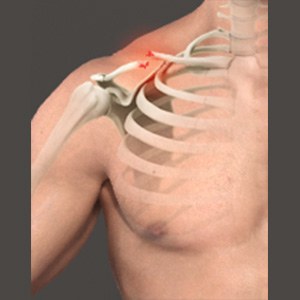
Clavicle Fracture
The break or fracture of the clavicle (collarbone) is a common sports injury associated with contact sports such as football and martial arts, as well as impact sports such as motor racing. A direct blow over the shoulder that may occur during a fall on an outstretched arm or a motor vehicle accident may cause the clavicle bone to break.
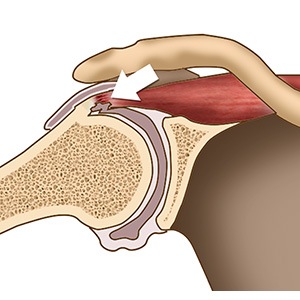
Internal Impingement of the Shoulder
Internal shoulder impingement can be described as a pathological condition resulting from repetitive impingement of the internal surface of the rotator cuff by the bones at the back of the glenohumeral joint.
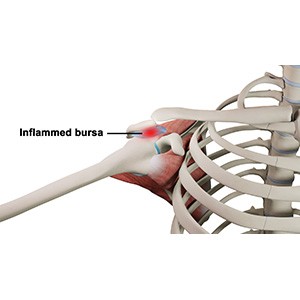
Shoulder Bursitis
Shoulder bursitis, also known as subacromial bursitis, is a condition characterized by pain and inflammation in the bursa of the shoulder. The bursa is a fluid-filled sac present between the bone and soft tissue that acts as a cushion and helps to reduce friction during movement.
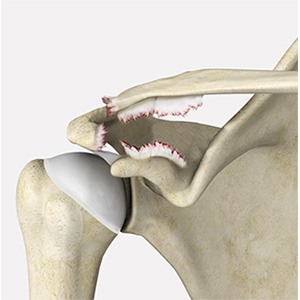
AC Joint Separation
AC joint separation, also known as shoulder separation, is a condition characterized by damage to the ligaments that connect the acromion to the collar bone. As a result, the bones do not line up properly, causing joint pain and instability.
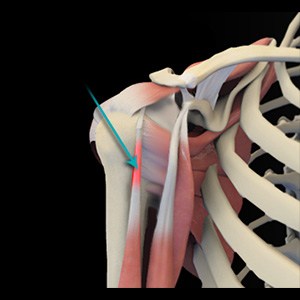
Shoulder Tendonitis
Shoulder tendonitis is a condition characterized by inflammation of the tendons which connect the muscles to the shoulder bones. Tendonitis of the rotator cuff tendons is known as rotator cuff tendonitis. If the biceps tendon is affected, the condition is known as bicipital tendonitis.

Throwing Injuries of the Shoulder
Throwing injuries of the shoulder are injuries sustained as a result of trauma by athletes during sports activities that involve repetitive overhand motions of the arm as in baseball, American football, volleyball, rugby, tennis, track and field events, etc. Throwing injuries are mostly seen in the shoulder and elbow and can occur due to improper techniques, training errors, muscle imbalance, and overuse of muscles.
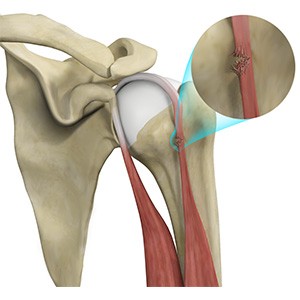
Proximal Biceps Tendon Rupture
The biceps muscle is the muscle of the upper arm which is necessary for the movement of the shoulder and elbow. It is made of a ‘short head’ and a ‘long head’ which function together. These are connected to the shoulder joint by two tendons called the proximal biceps tendons and to the elbow joint by a single distal biceps tendon.
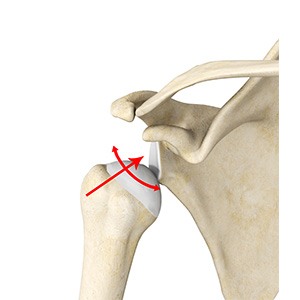
Multidirectional Instability of the Shoulder
Instability may be described by the direction in which the humerus is subluxated or dislocated from the glenoid. When it occurs in several directions it is referred to as multidirectional instability.
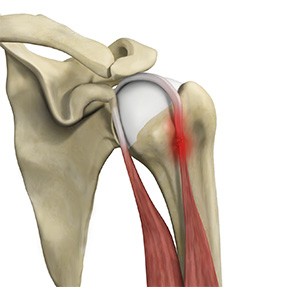
Proximal Biceps Tendonitis
Proximal biceps tendonitis is the irritation and inflammation of the biceps tendon at the shoulder joint. The biceps muscle is the muscle of the upper arm which is necessary for the movement of the shoulder and elbow. It is made of a ‘short head’ and a ‘long head’ which function together. The long head of the biceps tendon is attached at the top of the shoulder joint. The short head is attached to your shoulder blade.