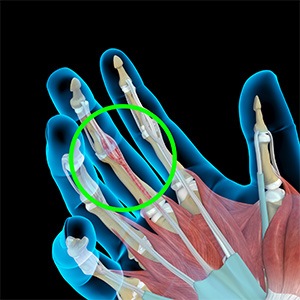
- Hand & Wrist Anatomy
- Hand & Wrist Conditions
- Hand & Wrist Procedures
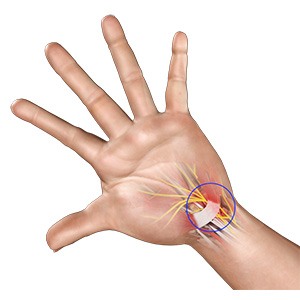
Carpal Tunnel Syndrome
Carpal tunnel syndrome is a common, painful, progressive condition that is caused by compression of the median nerve at the wrist area.
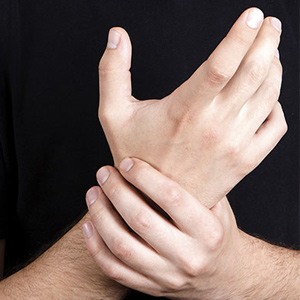
Hand and Wrist Sports Injuries
Sports injuries are injuries that most commonly occur during sports and exercises. These injuries may result from accidents, poor training practices, use of improper protective gear, lack of conditioning, and insufficient warm-up and stretching. Sports injuries may be either acute (sprains, fractures, tears) or chronic (tendonitis, overuse injury) injuries.
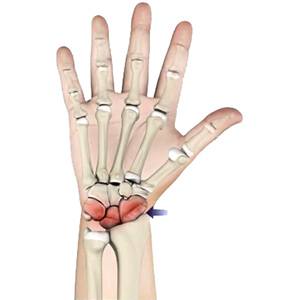
Arthritis of the Hand and Wrist
Arthritis is an inflammatory condition of the joints. There are several types of arthritis and the most common type is osteoarthritis or wear-and-tear arthritis. Arthritis affects various joints in the body and the arthritis in the hand affects the joint at the base of the thumb. Arthritis may also affect the joints of other digits.
De Quervain's Tendinosis
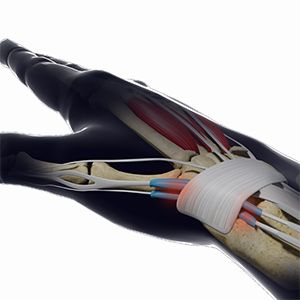
Inflammation and swelling of the tendon sheaths put pressure on the adjacent nerves and leads to pain and numbness in the thumb side of the wrist. Strain on these tendons can cause swelling and irritation, and lead to a condition called De Quervain's tenosynovitis, which is characterized by inflammation. The condition is also referred to as De Quervain’s tendinitis, De Quervain’s tendinosis, De Quervain’s syndrome or De Quervain’s disease.
Dupuytren's Contracture
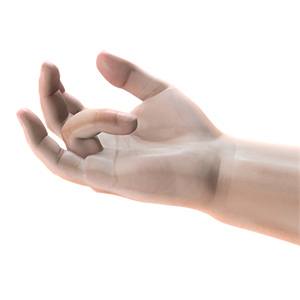
Dupuytren’s contracture is a hand condition where thickening of the underlying fibrous tissues of the palm causes the fingers to bend inward. This makes it difficult to fully straighten the affected fingers. It commonly occurs in the ring finger and little finger. Occasionally, the middle finger is affected, but the thumb and index finger are rarely affected.
Industrial Hand Trauma
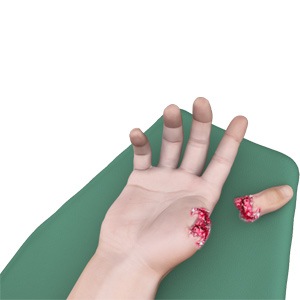
The hand is one of the most flexible and useful parts of our body. Because of overuse in various activities, the hands are more prone to injuries, such as sprains and strains, fractures and dislocations, lacerations and amputations while operating machinery, bracing against a fall and during sports. Workplace or industrial hand trauma is the leading cause of lost workplace work hours and visits to the emergency room. Industrial hand injuries can be minor to life-threatening.
Ganglion Cyst
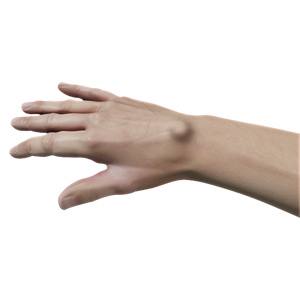
Ganglion cysts are swellings that most commonly develop along the tendons or joints of wrists or hands. They can be found either at the top of the wrist, palm side of the wrist, end joint of a finger or at the base of a finger. A ganglion cyst is not cancerous and will not spread to the other parts of the body. It looks like a water balloon on a stalk and contains a clear fluid or jelly material. Ganglion cysts can be found in people of all ages.
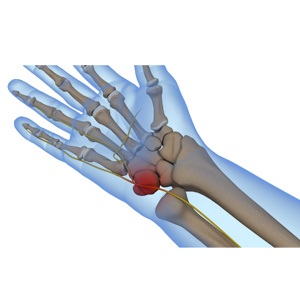
Guyon's Canal Syndrome
Guyon’s canal syndrome refers to compression of the ulnar nerve while it passes from the wrist into the hand through a space called the ulnar tunnel or Guyon’s canal.
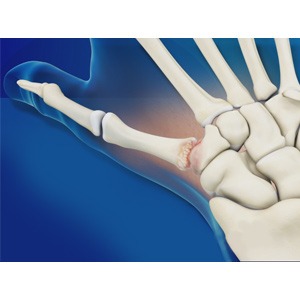
Arthritis of the Thumb
Arthritis is an inflammatory condition of the joints. There are several types of arthritis. The most common type is osteoarthritis or wear-and-tear arthritis that affects the joint at the base of the thumb. Thumb arthritis is more common in women than men, and usually occurs after the age of 40 years.
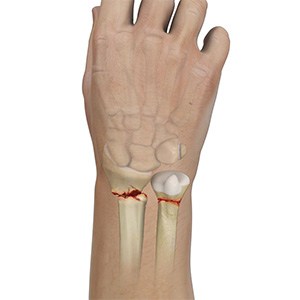
Wrist Fracture
The wrist is comprised of two bones in the forearm, the radius and ulna, and eight tiny carpal bones in the palm. The bones meet to form multiple large and small joints. A wrist fracture refers to a break in one or more of these bones.
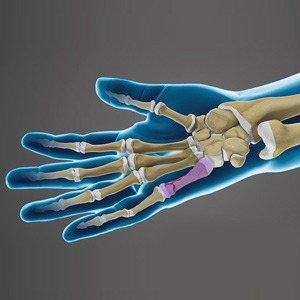
Fractures of the Hand and Fingers
A fracture is a break in the bone, which occurs when force greater than the bearable limit is applied against a bone. The most common symptoms of any fracture include severe pain, swelling, bruising or bleeding, deformity and discolouration of the skin and limited mobility of the hand.
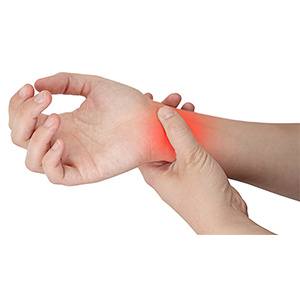
Wrist Sprain
Injuries caused due to stretching or tearing of the ligaments in the wrist are called wrist sprains. Sprains can range from mild to severe, based on the extent of injury to the ligament.
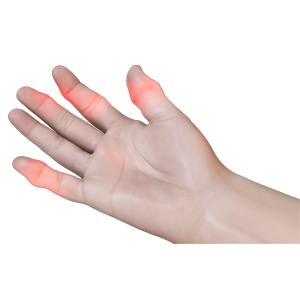
Finger Sprain
Injuries that involve tearing or stretching of the ligaments of your fingers are termed as sprains. Sprains in the fingers are most often caused from a fall when you extend your arms to reduce the impact of the fall, or from overuse or repetitive activity of the thumb such as with texting.
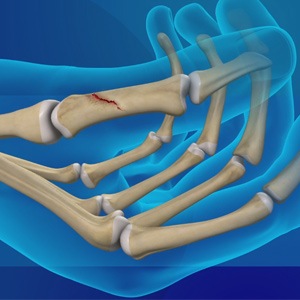
Thumb Fracture
A break or a crack in the bones of the thumb is known as a thumb fracture. Fractures may occur anywhere on the thumb, but a fracture at the base of the thumb, near the wrist, is considered the most serious.
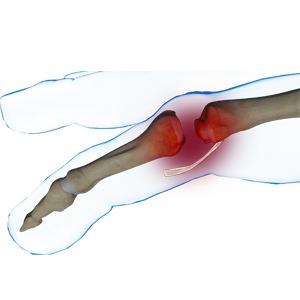
Finger Joint Dislocation and Volar Plate Injury
Finger dislocation is a condition where the bones of your finger have moved away from its normal anatomical position.
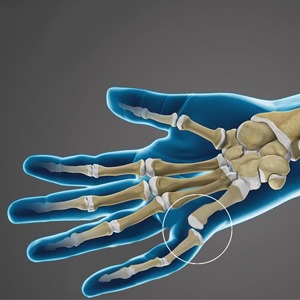
Finger Dislocation
Finger dislocation is a condition in which the bone of your finger has moved away from its normal position.
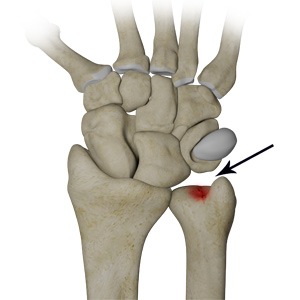
Ulnar Wrist Pain
Ulnar wrist pain is defined as discomfort or pain in the small-finger side of the wrist (opposite to your thumb). The ulna is one of the 2 forearm bones that extends from the elbow joint to the wrist. You may experience pain when you twist your wrist or grip something.
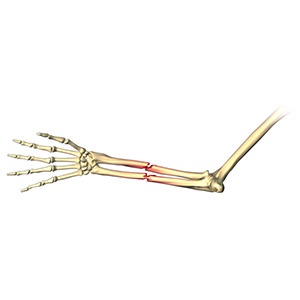
Adult Forearm Fractures
The forearm is made up of 2 bones, namely, the radius and ulna. The primary function of your forearm is rotation i.e., the ability to turn your palm up and down. The fracture of the forearm affects the ability to rotate your arm, as well as bend and straighten the wrist and elbow. The breaking of the radius or ulna in the middle of the bone requires a strong force and is most commonly seen in adults. In most of the cases, both bones are broken during a forearm fracture.
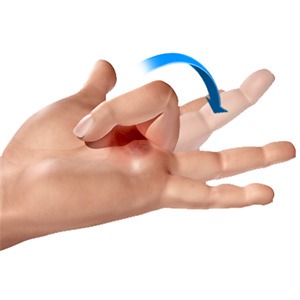
Trigger Finger
Inflammation in the tenosynovium leads to a condition called trigger finger, also known as stenosing tenosynovitis or flexor tendonitis, where one of the fingers or thumb of the hand is caught in a bent position. The affected digit may straighten with a quick snap, like pulling and releasing the trigger on a gun, hence the name trigger finger.
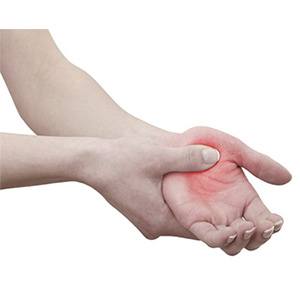
Hand Pain
Injury or inflammation of any of these structures, due to a disorder or disease condition, may produce hand pain. Even compression of the nerves supplying these structures may cause hand pain.
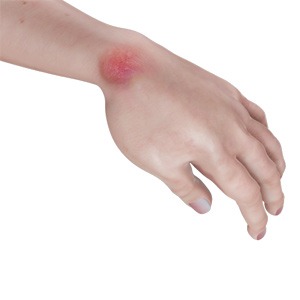
Hand Infections
Hand infections, if left untreated or treated improperly, can cause disabilities such as stiffness, contracture, weakness, and loss of tissues (skin, nerve and bone) that will persist even after the infection resolves. Therefore, prompt treatment of hand infections is important.

Wrist Dislocation
Wrist dislocation is a condition where one or more of the bones in the wrist joint become displaced from their normal position, usually due to trauma such as a fall onto an outstretched hand, a motor vehicle accident, or a sports injury.
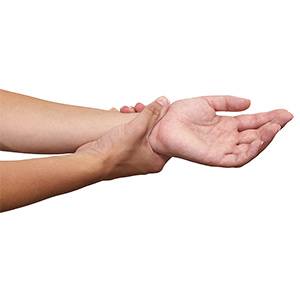
Wrist Pain
Wrist pain is defined as any ache or discomfort in the wrist. The wrist is comprised of two bones in the forearm, the radius and ulna, and eight tiny carpal bones in the palm. The bones meet to form multiple large and small joints. A trauma or injury to one or more of these bones results in wrist pain.
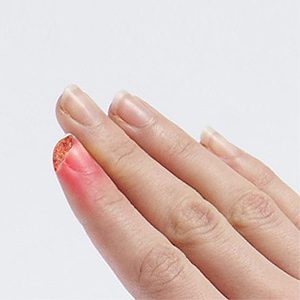
Fingertip Injuries
A fingertip injury is a wound or damage caused to the most distal portion of the finger. It can be a crush, a sharp cut, a tear or a combination of these, and can result in damage to the skin, nail or nailbed, tendon, pulp, bone, and nerve endings. It is one of the most common injuries to the hand and may occur due to accidents at home, work, or play.
Wrist Ligament Tear and Instability
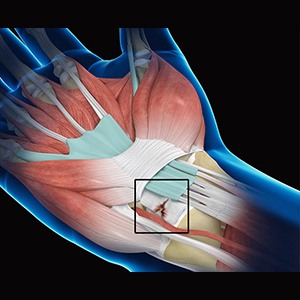
A ligament is a strong, flexible band of fibrous tissue. The wrist has many ligaments that help to keep the wrist bones in proper position providing stability to the joint. A torn ligament causes the wrist bones to move out of their position, which in turn leads to wrist instability as the sprained (torn) ligament can no longer support the wrist bones.